A 4-point inspection is a specialized property evaluation that focuses on four specific systems: the roof, electrical, plumbing, and HVAC. Unlike a general home inspection, which evaluates every visible and accessible component of a property comprehensively, a 4-point inspection has a defined and limited scope. Its purpose isn’t to give buyers a complete picture of a home’s condition; it’s to give insurers the specific information they need to assess the risk of insuring the property. Understanding what it covers, what it looks for, and what the findings mean for insurance coverage is essential for any homeowner or buyer dealing with this requirement.
The Roof: The First System in Any 4-Point Inspection
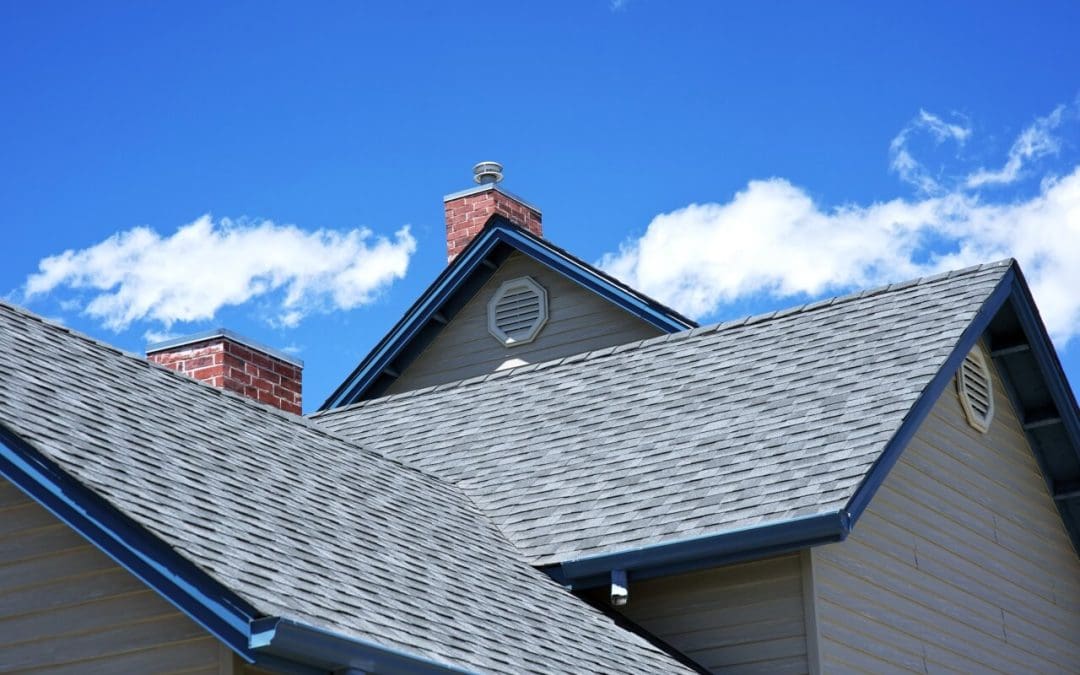
The roof evaluation focuses on the roofing material type, estimated age and condition, and remaining useful life. Insurers are most concerned with the roof because it’s the system most directly responsible for interior water damage, their largest claim category in most residential markets. Insurers frequently decline, or surcharge, roofing materials like wood shake over a certain age, and any roof the inspector estimates has less than three to five years of remaining useful life. In markets like Florida, where roof age requirements are particularly strict, a 4-point inspection revealing a roof over 20 years old can make a property uninsurable with standard carriers regardless of its current condition.
Electrical System Findings
The electrical evaluation examines the service panel type and condition, the wiring type throughout the home, and any known hazardous conditions. This inspection produces the findings that most frequently create insurance complications in older homes. Federal Pacific and Zinsco electrical panels have documented breaker reliability concerns and are frequently declined by insurers. Aluminum branch circuit wiring, common in homes built in the 1960s and 1970s, is a fire risk at connection points and a significant insurer concern. Knob-and-tube wiring in older homes is similarly flagged. A 4-point inspection identifying any of these conditions produces documentation the insurer uses to determine whether to issue coverage, at what rate, and with what remediation requirements.
Completing the 4-Point Inspection
The plumbing evaluation covers supply and drain pipe materials, water heater age and condition, and any visible evidence of leaks. Polybutylene piping, a gray plastic pipe used from the late 1970s through the mid-1990s with a documented history of failure, is the plumbing finding that most consistently triggers insurer concern. Galvanized steel supply lines that are heavily corroded may also draw comment depending on the insurer’s guidelines. The HVAC evaluation focuses on the age and general condition of heating and cooling equipment and whether systems are functional. Insurers aren’t looking for high-efficiency or recently updated systems; they’re looking for operational equipment that isn’t creating a hazard and has reasonable service life remaining. A 4-point inspection documenting an HVAC system well past its expected service life may prompt the insurer to require replacement, while one approaching end of useful life is typically noted as an underwriting consideration.
Frequently Asked Questions (FAQs)
Who typically requires a 4-point inspection?
Insurance companies most commonly require a 4-point inspection for homes 25 to 30 years old or older, though the specific age threshold varies by insurer and state.
What happens if my 4-point inspection reveals problems?
The insurer’s response depends on the specific findings. Minor conditions, like an aging water heater, an HVAC system in the latter portion of its service life, may be noted without requiring immediate action. Significant findings, a flagged electrical panel, polybutylene piping, or a roof at the end of its insurable life, typically result in the insurer requiring remediation before binding coverage, issuing coverage with exclusions, or declining standard market coverage entirely. These findings can affect both the property’s value and the buyer’s ability to secure financing that requires homeowner’s insurance.
How long is a 4-point inspection valid?
Most insurers accept a 4-point inspection no more than one to five years old, with the specific timeframe varying by company policy. Some insurers require a new inspection at each policy renewal for homes above a certain age; others accept the same inspection for multiple renewal cycles. Confirming the insurer’s specific requirements for inspection recency before the closing date is an important step in ensuring coverage can be bound on time.
Can I use a 4-point inspection to negotiate repairs before buying a home?
Yes, when completed during the due diligence period, its findings can be used to request that the seller address specific conditions before closing or to negotiate a price reduction reflecting required remediation costs. A seller who knows the home’s electrical panel or roof will prevent the buyer from obtaining insurance has a meaningful incentive to address those conditions or adjust the price accordingly. The inspection findings convert a general concern about an older home into documented, specific conditions that support a concrete negotiating request.
HomeSource Inspections offers 4-point inspection services to homebuyers and sellers in Northern Indiana and Southwest Michigan. Contact us to request an appointment.