
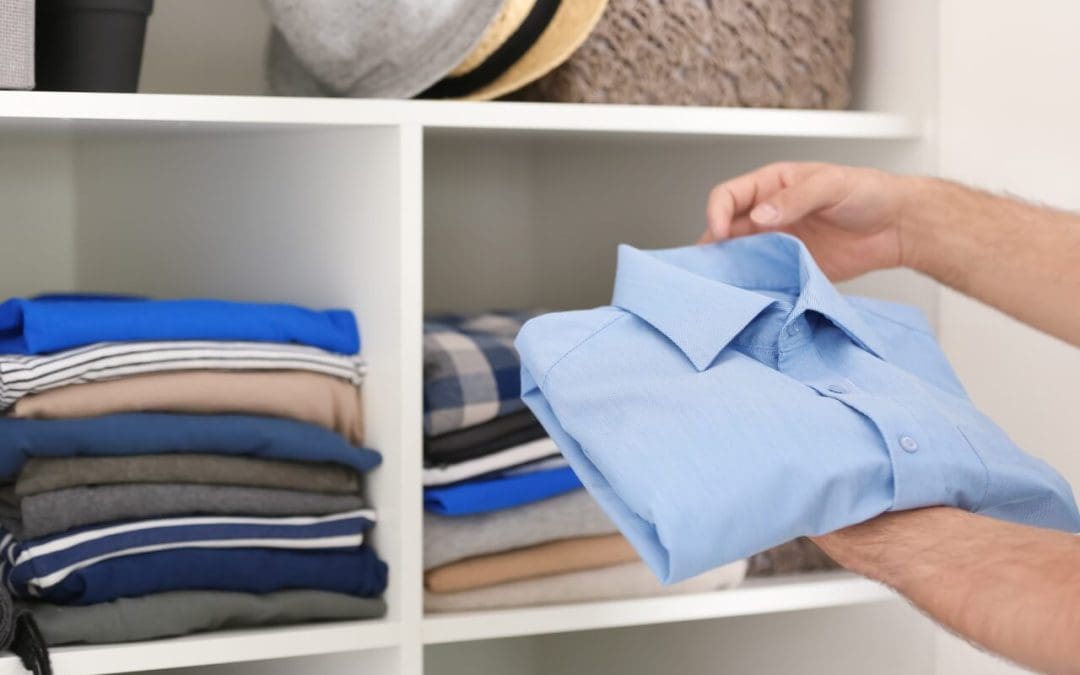
An organized closet saves time, reduces stress, protects clothing investments, and makes mornings run smoother. For homeowners, improving closet organization is one of the most affordable and impactful ways to upgrade both lifestyle and property value. When closets become cluttered, daily routines suffer. Clothes get lost in piles, shoes scatter across the floor, and storage space feels smaller than it actually is. With the right approach, even the most chaotic closet can be transformed into a streamlined, efficient space. Whether working with a spacious walk-in or a compact reach-in, the principles remain the same: evaluate, edit, optimize, and maintain.
Start With a Strategic Declutter for Better Closet Organization
Before buying bins, hangers, or storage systems, the most important step in closet organization is decluttering. Every item should earn its place. Clothing that no longer fits, hasn’t been worn in over a year, or is damaged beyond repair should be removed. By clearing out unnecessary pieces, the closet’s true capacity becomes visible. This makes it easier to design an effective system. Keep only what is worn regularly, loved, and functional for current lifestyle needs. Once decluttering is complete, sort remaining items by category. Grouping like items together, shirts with shirts, pants with pants, creates structure and reveals how much space each category truly requires. This step lays the foundation for long-term success.
Smart Storage Solutions That Maximize Closet Organization
Effective closet organization relies on making the most of vertical and horizontal space. Many closets waste valuable upper wall areas that can be transformed with additional shelving. Installing adjustable shelves provides flexibility as storage needs change over time. Uniform hangers immediately create visual cohesion and free up space. Slim, non-slip hangers are especially helpful in maximizing hanging capacity. Double-hang rods instantly double storage for shorter garments like shirts and folded pants. Drawers or labeled bins help contain smaller items such as accessories, undergarments, and seasonal pieces. Clear containers make contents easy to see, while fabric bins create a softer, built-in look. The goal is that every item has a designated home. Lighting is another often-overlooked element. Proper lighting enhances visibility and makes maintaining closet organization easier. LED strip lighting or battery-operated puck lights will dramatically improve functionality without complex electrical work.
Designing a System That Fits Your Lifestyle
Closet organization should reflect daily habits, not just aesthetic goals. For example, someone who wears business attire daily will need accessible hanging space for suits and dress shirts. A more casual wardrobe may require expanded shelving for folded items. Seasonal rotation is another powerful strategy. Off-season clothing could be stored on higher shelves or in under-bed containers, freeing prime space for current wardrobe essentials. This keeps closets from becoming overcrowded year-round. Accessibility matters, especially in shared closets. Each person should have clearly defined zones to prevent overlap and confusion. Hooks for bags, belts, or frequently used items can eliminate clutter buildup on shelves or floors.
Maintaining Long-Term Organization Without the Overwhelm
The key to sustainable closet organization is maintenance. Without simple upkeep habits, even the best-designed system could revert to chaos. A quick weekly reset, returning items to their designated spaces, prevents clutter from accumulating. It’s also helpful to adopt a “one in, one out” rule. When a new clothing item enters the closet, consider removing an older piece. This keeps volume manageable and encourages mindful purchasing. Twice a year, conduct a mini audit. Review items that haven’t been worn recently and reassess storage needs. As lifestyles change, closet organization systems may need small adjustments. Flexibility ensures long-term success.
Small Closets Can Still Achieve Big Closet Organization Results
Limited square footage doesn’t mean limited potential. In fact, small closets benefit the most from thoughtful closet organization. Utilizing vertical stacking shelves, over-the-door organizers, and cascading hangers dramatically increases usable space. Mirrors mounted on closet doors create a sense of openness while serving a practical purpose. Slim storage towers fit into narrow spaces, offering compartments for shoes or folded garments. The most important principle in small spaces is restraint. Overfilling the closet undermines even the best organizational system. Prioritizing quality over quantity keeps compact closets functional and visually appealing.
Frequently Asked Questions (FAQs)
How often should closet organization be updated?
Closet organization should be reviewed at least twice a year, typically during seasonal transitions. However, small weekly resets help maintain order and prevent clutter from building up.
What is the first step in closet organization?
The first and most critical step is decluttering.
Is professional closet organization worth it?
For homeowners seeking customized solutions or preparing to sell their home, professional closet organization can be a worthwhile investment.
How can small closets improve organization without renovations?
Small closets can improve organization by maximizing vertical space, using slim hangers, adding shelf dividers, and incorporating labeled storage bins.
HomeSource Inspections offers inspection services to homebuyers and sellers in Northern Indiana and Southwest Michigan. Contact us to request an appointment.