
Taking on home improvement projects can be rewarding, cost-effective, and even enjoyable. However, many homeowners underestimate how easy it is to fall into common DIY mistakes that lead to wasted time, unexpected expenses, and sometimes even safety risks. Whether it’s a quick paint job or a more ambitious renovation, knowing what not to do is just as important as knowing what to do. The reality is that DIY projects often fail not because of a lack of effort, but because of poor planning, incorrect tools, or overconfidence. Understanding these pitfalls ahead of time could save both money and frustration.
Common DIY Mistakes in Planning
One of the most common DIY mistakes is jumping into a project without a clear plan. It may feel efficient to “figure it out along the way,” but this approach often leads to miscalculations and rework. Planning involves more than just watching a quick tutorial. It includes measuring spaces accurately, understanding the materials required, setting a realistic timeline, and budgeting for unexpected costs. Without this groundwork, even simple projects can spiral into complicated ones. A well-thought-out plan ensures smoother execution and helps avoid unnecessary stress midway through the project.
Using the Wrong Tools and Materials
Another frequent issue among homeowners is using incorrect or low-quality tools and materials. This is one of those common DIY mistakes that can instantly compromise the quality and durability of your work. For example, using interior paint for an exterior wall or choosing the wrong type of adhesive could lead to premature damage. Similarly, improper tools can make tasks harder, less precise, and even dangerous. Investing in the right tools and understanding material specifications pays off in both the short and long term.
Common DIY Mistakes: Underestimating Skill Requirements
Not all projects are created equal, yet many homeowners treat them that way. A major contributor to common DIY mistakes is overestimating one’s abilities. Tasks like electrical wiring, plumbing modifications, or structural changes require specialized knowledge. Attempting these without proper expertise could lead to serious safety hazards and costly repairs later. Knowing when to call a professional is not a failure, it’s a smart decision that protects both your home and your budget.
Ignoring Safety Precautions
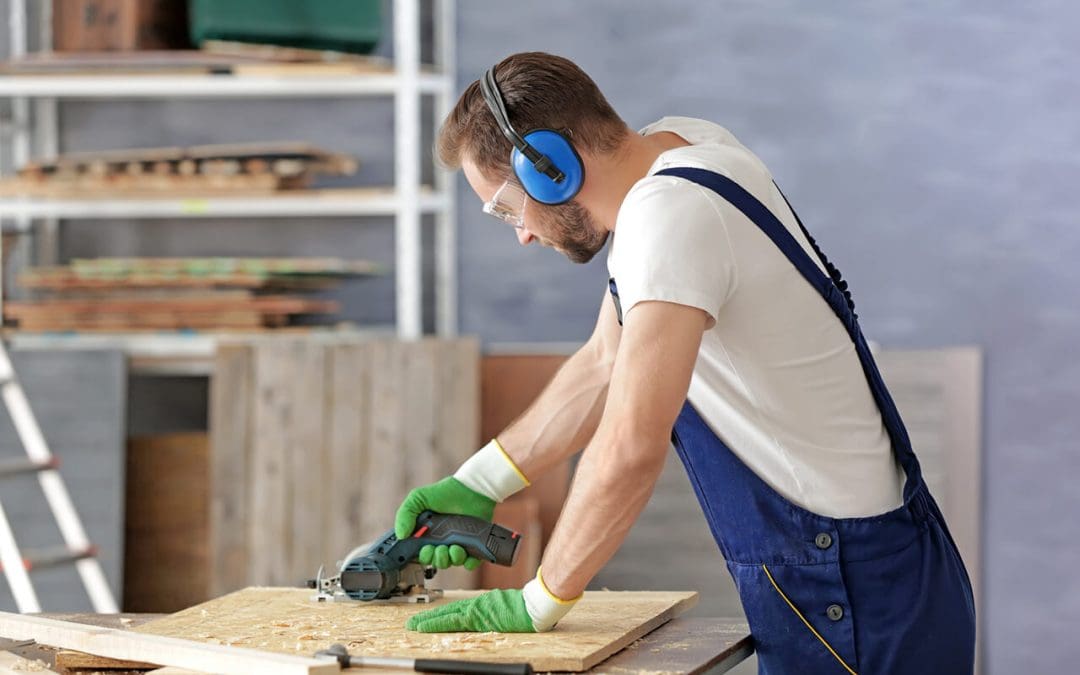
Safety often takes a backseat during DIY projects, which is a dangerous oversight. Among the most critical DIY mistakes is neglecting basic safety measures. This includes failing to wear protective gear, ignoring electrical shutoffs, or working without proper ventilation. Even minor negligence may result in injuries or long-term health risks. Prioritizing safety ensures that the project doesn’t come at the cost of personal well-being.
Poor Measurement and Cutting Errors
“Measure twice, cut once” is a saying that exists for a reason. Measurement errors are among the most frustrating common DIY mistakes, often leading to wasted materials and uneven finishes. Inaccurate measurements could affect everything from furniture assembly to tile installation. Small miscalculations quickly add up, resulting in misaligned structures and aesthetic issues. Taking time to double-check measurements and using precise tools could make a significant difference in the final outcome.
Rushing the Process
Patience is essential in any DIY project, yet many homeowners rush through steps to finish quickly. This impatience is another example of common DIY mistakes that compromise quality. Whether it’s not allowing paint to dry between coats or skipping preparation steps, rushing often leads to subpar results. In many cases, the project ends up taking longer because of the need to fix avoidable errors. A steady, methodical approach produces better and more lasting results.
Common DIY Mistakes With Regulations
Many homeowners are unaware that certain projects require permits or must comply with local building codes. Ignoring these rules is one of the more serious common DIY mistakes. Unapproved work may result in fines, legal complications, or difficulties when selling the property. It may even require undoing completed work to meet compliance standards. Checking local regulations before starting ensures that your project is both safe and legally sound.
Frequently Asked Questions (FAQs)
What are the most common DIY mistakes homeowners make?
The most common DIY mistakes include poor planning, using incorrect tools or materials, underestimating skill levels, skipping safety precautions, and making inaccurate measurements.
How can DIY mistakes be avoided?
They can be avoided by thoroughly researching the project, investing in proper tools, planning carefully, and knowing when to seek professional help.
Is DIY always cheaper than hiring a professional?
Not necessarily. While DIY can save money upfront, mistakes can lead to higher costs in repairs and replacements.
When should a homeowner avoid DIY projects?
Projects involving electrical work, plumbing, or structural changes should typically be handled by professionals due to safety and regulatory concerns.
Do small DIY mistakes really matter?
Yes, even minor mistakes can affect the overall quality, safety, and durability of a project, often leading to bigger issues over time.
HomeSource Inspections offers inspection services to homebuyers and sellers in Northern Indiana and Southwest Michigan. Contact us to request an appointment.