
Moisture problems are among the most damaging and most misunderstood issues a homeowner may face. Moisture rarely announces itself dramatically. Problems develop slowly, behind walls, under floors, in crawl spaces and attics, and by the time they’re visible, they’ve often been building for months or years. The damage moisture problems produce includes structural wood deterioration, mold growth, compromised insulation, and foundation issues that cost significantly more to address than the moisture problem itself would have if caught earlier.
Where Moisture Problems Come From and How to Find Them
Moisture problems have three primary sources: water intrusion from outside, condensation from indoor humidity, and plumbing or appliance failures. Identifying the source is the most important step; a moisture problem treated without addressing its origin will recur regardless of how thoroughly the visible damage is remediated. Exterior water intrusion is the most common source of moisture in basements and crawl spaces. Water not directed away from the foundation, through proper grading, functional gutters, and adequate downspout discharge, accumulates against the foundation wall and eventually finds its way through. Signs of exterior intrusion include efflorescence, white mineral deposits on masonry, water stains at the base of walls following rain events, and damp floors in the basement or crawl space.
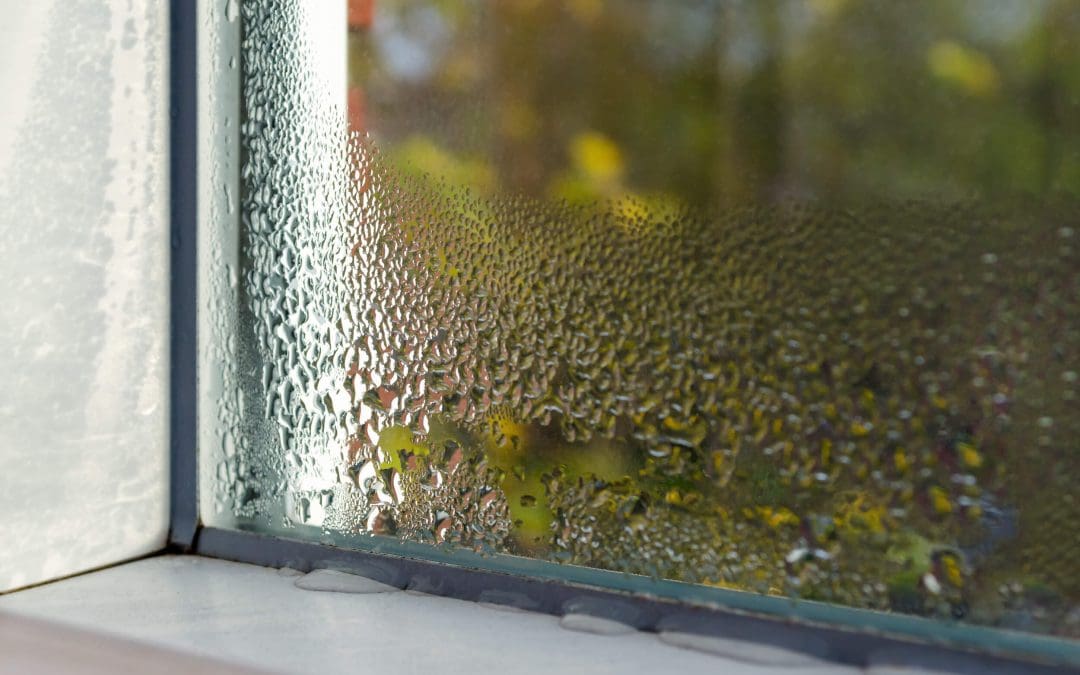
Condensation occurs when warm, humid air contacts a cooler surface and releases moisture. This is responsible for moisture problems inside exterior walls, in attics with inadequate ventilation, and in crawl spaces that aren’t properly sealed. Condensation moisture is often invisible at the source and only becomes apparent when mold growth or wood deterioration reaches a detectable level. Plumbing and appliance moisture problems are responsible for a significant share of residential moisture damage. They’re particularly damaging because they often go undetected in locations not regularly observed. Monthly inspection under sinks and behind appliances is the habit that catches these problems early.
Hidden Locations Where Moisture Develops
Crawl spaces are one of the most significant moisture problem areas in residential construction. An unencapsulated crawl space open to soil moisture and outdoor humidity creates conditions where wood framing stays perpetually damp, producing rot, mold, and pest activity that affects the structural integrity of the floor system above. Crawl space encapsulation, sealing the floor and walls with a vapor barrier and managing humidity with a dedicated dehumidifier, addresses crawl space moisture problems at their source. Attics develop moisture problems through a different mechanism: warm, moist air from the living space below rises and enters through gaps in the ceiling plane. When that air contacts cooler attic sheathing in winter, it condenses, and repeated condensation cycles produce the mold on attic sheathing that home inspectors find regularly. Air sealing at the ceiling plane addresses this problem more effectively than ventilation alone.
Fixing Moisture Problems Before They Become Structural
The most important principle in addressing moisture problems is sequence: fix the source, then address the damage. Remediating mold without eliminating the moisture source guarantees the problem returns. For exterior intrusion, the fix typically starts with grading and gutter corrections. For condensation problems, air sealing and ventilation improvements address the mechanism. For plumbing problems, the leak is repaired before water-damaged material is replaced. Professional assessment is appropriate when moisture problems have produced visible mold, when structural wood shows deterioration, or when the source isn’t identifiable through homeowner inspection.
Frequently Asked Questions (FAQs)
How do I know if I have moisture behind my walls?
Signs include a persistent musty odor, paint that’s bubbling or peeling without an obvious cause, wallboard that feels soft or appears stained, and flooring that’s warped or soft underfoot. A certified mold inspector using thermal imaging and moisture meters can locate moisture problems behind walls without destructive investigation in many cases.
What humidity level should I maintain to prevent moisture problems?
Indoor relative humidity between 30 and 50 percent discourages mold growth and condensation on interior surfaces. Above 60 percent, conditions become favorable for mold. A simple hygrometer can measure indoor humidity. Basements and crawl spaces often require dedicated dehumidification to maintain this range, particularly in humid climates during summer.
Can moisture problems cause structural damage to my home?
Yes. Wood framing that remains at elevated moisture content for extended periods is subject to fungal decay, losing structural integrity over time. Floor joists, subfloor sheathing, sill plates, and wall framing are all vulnerable. Crawl space and attic assessments during routine home maintenance help catch moisture problems before structural damage develops.
What’s the difference between waterproofing and moisture control?
Waterproofing specifically addresses liquid water intrusion through foundations and walls. Moisture control is broader: managing humidity, condensation, and vapor transmission in addition to liquid water. Many homes need both: exterior grading and interior drainage for liquid intrusion, and vapor barriers, dehumidification, and ventilation for humidity and condensation moisture problems.
Should I use a dehumidifier, a ventilation system, or both to manage moisture problems?
It depends on the source. A dehumidifier is the right tool for basements and crawl spaces where humidity accumulates from multiple sources. Ventilation is appropriate for kitchens and bathrooms where moisture is generated through cooking and bathing. Many homes benefit from both: dehumidification in below-grade spaces and improved ventilation in occupied living areas.
HomeSource Inspections offers inspection services to homebuyers and sellers in Northern Indiana and Southwest Michigan. Contact us to request an appointment.